When an alarm seems and a hundred various reactions start, the structure aims to a single person for direction: the chief warden. Leading an Emergency Situation Control Organisation is not regarding having the loudest voice or the brightest vest. It is about calmness choices under stress, choreography of individuals and details, and self-displined method long before anything fails. The national unit PUAFER006 Lead an Emergency Control Organisation formalises those assumptions, but the genuine test is how you act in the very first two mins of a crisis.
This guide unpacks the proficiencies behind PUAFER006, shows where it fits along with PUAFER005 Operate as component of an ECO, and uses hard‑won lessons from drills and live events. If you are getting ready for a chief warden course, constructing an emergency warden team, or clearing up fire warden requirements in the workplace, you will certainly discover useful standards here.
What "leading the ECO" really means
An Emergency Control Organisation is the structure that manages an event inside a center till the arrival of outside responders. In a small office that might be a chief warden, an interactions warden, and two location wardens. In a healthcare facility it may be dozens of wardens throughout several zones, each with replacements, runners, and very first aiders.
PUAFER006 identifies that leading this group is an unique duty. Where PUAFER005 Operate as part of an emergency control organisation focuses on individual warden obligations, PUAFER006 anticipates you to establish technique, assign tasks, and control details. Throughout a smoke event from a web server room, for example, the chief warden needs to determine whether to leave, organize a sanctuary in place, or isolate and monitor. That call rests on input from wardens, the panel, center systems, and your own danger judgment.
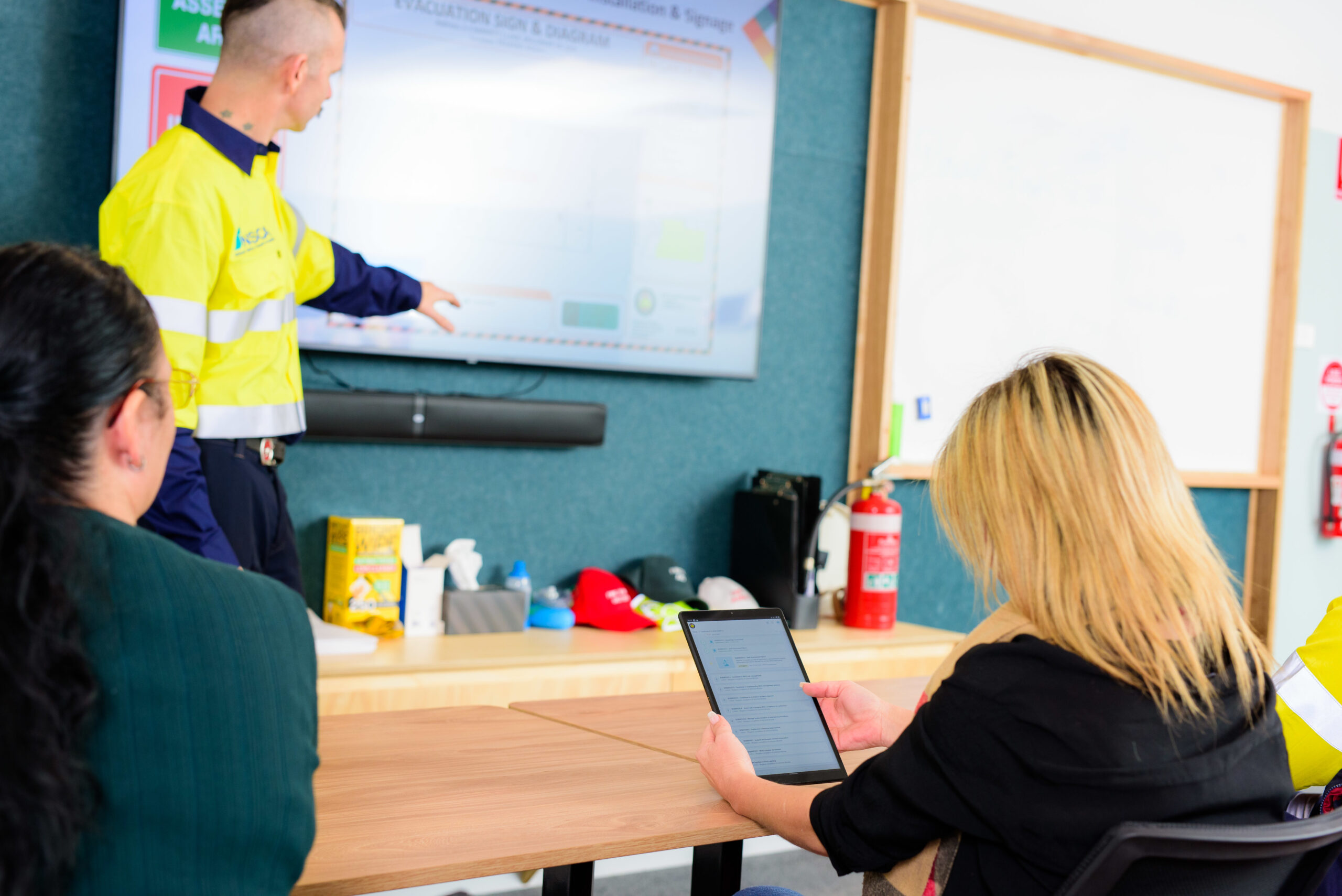
I have actually seen brand-new chief wardens await ideal info and shed an essential min of momentum. Similarly, I have actually seen brash wardens call a complete evacuation for a burnt toast alarm system and trigger crowding on stairs that put people at better danger. Leading the ECO is about stabilizing action with verification within clear plans.
The proficiency back of PUAFER006
The unit damages down into a set of demonstrable abilities that, together, develop the foundation of efficient event control. Fitness instructors may package them in different ways, however the compound remains consistent.
Leadership under uncertainty. You require to issue concise directions when indicators are incomplete. That suggests establishing a first stance, for instance, "investigate and standby," after that intensifying or de‑escalating as info can be found in. The best principal wardens narrate choices in plain language so the team comprehends intent.

Information monitoring. Alarm panels, CCTV, wardens' records, passenger phone calls, BMS alerts, and professional inputs all compete for focus. A useful method is to designate a single interactions factor, generally at the Emergency Control Factor, and standardise message styles: location, nature, actions taken, sources needed. It appears standard, yet disciplined wording saves mins and protects against duplication.
Resource control. You direct wardens, first aiders, safety, and occasionally service providers. That consists of positioning, alleviation, and safety and security for the ECO itself. During a chemical spill on a warehouse floor, we turned wardens at five‑minute periods as a result of fumes in the external location. Without that turning, alertness declines and mistakes sneak in.
Procedural compliance with flexibility. You must know the emergency situation strategy cool, yet also identify when conditions necessitate variance. In a fire door refurbishment situation, the planned evacuation route might be compromised. Under PUAFER006, you are anticipated to observe the discrepancy and reroute safely, not till in advance because the handbook claimed so.
Interface with outside solutions. When fire teams show up, the chief warden provides a succinct handover, then sustains their procedure by keeping cordons, passenger control, and systems details. A sharp handover is less than 60 seconds and has developing format, fire panel points, hazards, standing of passengers, and systems activities taken.
Post incident management. Accountability does not end with the all‑clear. You require to collaborate the debrief, assemble event records, start restorative actions, and recover normal operations. Good chief wardens deal with each event as a knowing loop for the ECO and the business.
How PUAFER006 and PUAFER005 relate
Think of PUAFER005 as the structure and PUAFER006 as the command layer. The initial trains wardens to inspect bathrooms, close doors, move areas, aid individuals with disability, and record problems. The second trains you to turn those wardens right into a synchronised group. In a genuine structure you want both. A durable warden course for the group, often called fire warden training or emergency warden training, develops the muscle mass memory for motion. A focused chief warden course constructs decision high quality and control.
Most training service providers package PUAFER005 course and PUAFER006 course modules with each other or in turn. If you take care of training for several websites, run PUAFER005 operate as part of an emergency control organisation early and rejuvenate every year, after that cycle your likely future leaders with chief warden training every a couple of years. Skills discolor if they are not exercised.
The chief warden identity, hats, and colours
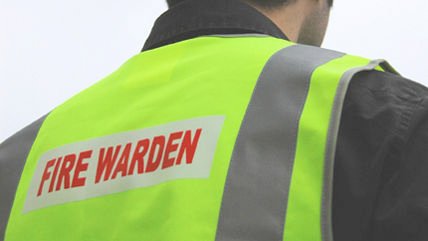
Yes, the hat inquiry shows up more often than you would assume. Each site follows its own plan, yet throughout Australia there is an usual convention drawn from AS 3745. Fire wardens usually use red, communications white, and the chief warden often wears white with a black band or completely white. So what colour helmet does a chief warden wear? In most workplaces the chief warden hat colour is white. The chief fire warden hat colour is the same. Fire warden hat colour cues make it very easy for owners and -responders to identify authority during an evacuation.
Uniform aspects only assist if you back them with constant presence and behavior. A chief warden who shows up at drills, checks evacuation representations, and responds promptly builds count on. That trust keeps individuals listening when you need them to relocate swiftly however calmly.
Core situations to master
PUAFER006 anticipates proficiency throughout multiple emergency situation kinds, not simply fire. In technique, you ought to rehearse at the very least 5 high‑frequency or high‑impact occasions for your facility type. The copying illustrate the choices that differentiate adequate from excellent.
Fire alarm, unknown reason. The panel shows a detector triggered on Level 3 near a kitchen space. First action is explore and standby. The local area warden moves to verify while the chief warden positions at the control point, checks CCTV if available, and prepares messages. If smoke shows up or the warden reports warm, elevate to partial evacuation of the influenced area. A complete building discharge might be extreme in a tower with zoned pressurisation, but you should evaluate smoke migration, susceptible passengers, and system condition. News need to be clear and quick, with repeats every 60 to 90 secs till the emptying stage ends.
Hazardous spill. A pallet falls and fractures a drum of solvent. The chief warden isolates the area by shutting doors and restricting air motion, validates the Safety Data Sheet, starts a targeted emptying, and shuts out ignition resources. Calling an external HAZMAT system early pays returns. The blunder I see is over‑evacuation that sends out individuals past the threat. Alternating exit paths must be part of the strategy, and the ECO needs to practice their signs and stewardship.
Medical emergency in a group. An individual collapses during a foyer occasion. The chief warden assigns a warden to crowd control, safeguards an AED, and creates a passage for paramedics. If the individual is transmittable or there is a bloodborne risk, the ECO must rise cleansing protocols and call mapping based on the health insurance. The failure pattern is way too many assistants, not enough area and air. The very best chief wardens hold the border and keep spectators out while the initial aiders work.
Power failure with lift entrapments. Blackouts elevate anxiousness quickly. The chief warden triggers occupant messaging to save phone batteries and sit tight unless an evacuation is necessary. Safety coordinates with the lift professional while wardens relocate stairwells to check for stuck individuals. If smoke air flow depends on power, you must evaluate whether to keep individuals in place or move them to safer areas. After 10 to 15 mins, supply a status upgrade even if absolutely nothing has changed. Silence breeds panic.
Threats to individual security. Aggressive persons or suspicious bundles require a different stance. You may require to secure down, limit access, and draw away individuals away from areas without marketing the factor broadly. The communications position matters. Generic language such as "stay clear of the lobby and adhere to warden instructions" safeguards privacy and minimizes danger up until law enforcement arrives.
Building a qualified ECO: employment, training, and refreshers
Emergency warden recruitment is often volunteer, and you take what you can get. That does not mean you accept whoever first raises a hand for every duty. A reliable chief warden puts together a team with three qualities in mind: dependability, communication, and movement. Reliability shows in punctuality at drills and a behavior of inspecting equipment without prompting. Interaction programs in clear radio abilities and steady tone. Mobility matters since a warden who battles with stairways might be better placed in the communications cell than on flooring sweeps.
The fire warden course covers hazard acknowledgment, emptying procedures, techniques for aiding persons with disability, and chief warden hat colour devices such as extinguishers. The chief fire warden course develops tabletop exercises and circumstance command. Mix both with site specifics. Common training without website context develops false self-confidence. Your property has its own traits, from the fire panel touchscreen to door hold‑open magnets and staircase pressurisation sequences.
Fire warden training needs vary by territory and risk account, yet as a rule of thumb aim for yearly warden training and six‑monthly discharge workouts. New wardens need to finish a warden course within their initial month and darkness an elderly warden in the following drill. For chief warden requirements, include management refreshers, radio discipline technique, and a minimum of one unannounced situation per year to hone choice speed.
Communications self-control and the radio problem
In the initial min of a case, radios can transform to chaos if you have not drilled message framework. One site I worked with had 18 radios live throughout a sprinkler activation. Everybody spoke at once, and the chief warden missed the important upgrade that the shutoff had actually been isolated. We repaired it with radio internet self-control and brevity codes tailored to the building.
Keep networks few and focused. If you have 2 channels, designate one to life safety and one to design or assistance, and park all excessive babble. Use telephone call signs that match duties, not names. Practice closed‑loop communication. When a warden recognizes an instruction, they duplicate the essential realities: "Area Warden South, evacuate Degree 2 west wing to Setting up B, duplicate." That routine sets you back a second and avoids a dozen errors.
For structures without radios, the interactions warden ends up being the hub. They require a log, a silent place, and the authority to triage inbound info. Cellphone are an alternative yet delicate, particularly in a power occasion. Think about hard‑wired phones near staircase doors, white boards for projects, and runners in high‑rise websites where radio propagation is patchy.
Evacuation subtleties couple of talk about
If you have just ever before pierced a complete structure discharge on a sunny early morning, you might be shocked at the rubbing points that emerge under anxiety. Stairwell dynamics change with pushchairs, walking sticks, and panic. People sluggish at the very first spin in the staircase because they do not recognize what is ahead. Wardens that stage at landing turns smooth the circulation and maintain individuals moving.
Assembly location choice issues. As well close, and you crowd the exterior and restrain responders. Also much, and you lose people to the coffeehouse. Choose a place that permits head count without road crossing preferably. Have an additional place if wind or hazards make the very first unsafe. Tape where you sent out people, since responders will certainly ask.
Lifts are a sensitive subject. Several contemporary buildings have occupant emptying elevators designed for use in fire under guidance. If your building has them, your strategy should include specific directions, qualified lift wardens, and intermediary with the fire brigade. If your building does not, your ECO requires to supervise staged activity so those that require even more time begin earlier. The chief warden regulates the pace and maintains the stairwell from piling up.
Integrating individuals with special needs and accessibility needs
Fire warden demands in the office include preparing for occupants and visitors with short-term and long-term gain access to requirements. Do not rely upon impromptu goodwill. Personal Emergency Emptying Plans make a difference, yet they just work if a person possesses them and they are checked. In a multi‑tenant structure, coordination between tenants helps prevent replication and voids. Discharge chairs call for training and method in the real stairwell. Assign pairs to every device and practice handovers every landing.
In one drill at a wellness facility, a warden team attempted to muscular tissue an evacuation chair with a single person. They made it, hardly, and both were exhausted. The corrective activity was basic: add a second warden, established the tempo, and train on the braking system. PUAFER006 anticipates the chief warden to set requirements similar to this, audit them, and adjust based on evidence.
Documentation that gains its keep
Emergency plans often end up being shelfware, pulled out for audits and forgotten. That is a missed chance. The most effective plans I have actually seen do three points: they choose easier throughout an occurrence, they make training reasonable, and they hold people liable afterward.
Make quick referral overviews for wardens and the chief warden that show your site, not generic designs. Include panel screenshots, shutoff and isolation points, gas shutoff places, and specialized dangers such as lithium battery storage space. Keep the documents short. Laminated cards on lanyards or pockets work when nerves battle royal. Include a get in touch with cascade for after hours and service providers who can close things down fast.
After each occasion or drill, the chief warden should lead a quick, time‑boxed debrief. What did we mean, what happened, what assisted, what impeded, what will we change by next quarter. Capture metrics like time to ECO activation, time to initial warden record, time to emptying conclusion, and percent of wardens existing. Run a corrective actions log with proprietors and days. When auditors inquire about chief fire warden responsibilities, show them the log. It is the practical evidence that the strategy is alive.
Working with building systems, not against them
Modern structures have complex user interfaces: fire indicator panels, emergency situation warning and intercommunication systems, smoke control systems, lawn sprinklers, gas discovery, and a lot more. Chief warden responsibilities consist of understanding exactly how these systems behave and just how your activities engage with them.
During a fire occasion, door launches, smoke exhaust fans, and stairway pressurisation can alter air movement considerably. Propping stair doors open defeats the pressurisation system and fills staircases with smoke. Wardens need to know why doors must stay shut, not just that they must.
Test your Public Address system degrees throughout drills. In a hectic warehouse, forklifts hush PA messages unless the speaker positioning and quantity are tuned. An interactions warden with a portable loudhailer is a beneficial backup. Check that videotaped messages are apprehensible and match your strategy language. If your EWIS states something and your wardens state one more, people stop listening.
The noticeable and invisible parts of authority
A chief warden hat and vest make you visible. What holds interest is reliability developed in time. Credibility begins with punctual drills and expands with justness. During a practice discharge at a college structure, we had one lecturer who always stood up to because of "vital web content." The chief emergency warden handled it by checking out ahead of the following drill, clarifying the legal and functional stakes, and providing to time the exercise to prevent his examination block. Conformity boosted, and the ECO's standing rose.
Firmness matters during actual events. If somebody refuses to evacuate, wardens ought to not enter into physical battles, however the chief warden need to record the rejection and inform responders. Build the behavior of de‑escalation manuscripts so wardens do not improvise under stress.
Training formats that work
Death by slideshow is a waste of everybody's time. A well balanced program mixes brief concept with walk‑throughs and situation play. For PUAFER006 lead an emergency control organisation training, I such as to run a 30‑minute tabletop with a floor plan, tokens for wardens, and timed injects: a blocked stair, a nervous customer, a 2nd alarm. Then we walk the website and confirm presumptions. The last block is a radio drill. The modification in self-confidence after even one session is noticeable.
The carrier you pick for chief fire warden training need to ask to see your strategy and adapt the situations. If they supply only common content, push back. Real occasions resemble your building, not their slides.
Legal obligations and functional thresholds
Chief fire warden requirements do not replace lawful tasks under office health and safety regulations or state fire services legislation. If you manage a website, you are responsible for making certain the fire warden requirements in the workplace are satisfied: adequate varieties of qualified wardens, preserved systems, up‑to‑date layouts, and checked procedures. Regulators and insurance providers do not accept "we planned to educate them next quarter" after a preventable injury.
At the exact same time, the legislation identifies that choices are made under uncertainty. Document the basis for your decisions during an occurrence, especially if you differ the strategy. If a stairwell was jeopardized and you organized a partial shelter in place, keep in mind the indicators, the moment, and the interactions. That record shows diligence.
The human element: tension, tiredness, and aftercare
After an intense event, ECO members may feel a spike of adrenaline followed by an accident. Plan for that. Deal a short time out before throwing people back right into work. For cases entailing injury, make employee aid offered. Burnout displays in resentment regarding drills and an enthusiasm to cut corners. Revolve duties so the very same individuals are not constantly on the sharp end.
As chief warden, model calm and humility. Admit when something did not go as prepared, possess the solution, and share the lesson. People reply to authenticity.
A small list for primary wardens
Use this short pre‑incident list to tighten your readiness between official training blocks.
- Know your plan locations, ECO roster, and alternates. Examine openings and load them. Walk your stairwells and confirm door feature, lights, and signage. Test radios and EWIS audibility in busy areas. Log issues and go after repairs. Review high‑risk locations: kitchens, plant rooms, battery storage, specialists on site. Practice a 60‑second handover to fire solutions. Maintain it crisp and relevant.
Selecting the ideal training for your team
Look for providers that assess your building specifics before pricing estimate a warden course or chief warden course. Ask how they integrate PUAFER005 and PUAFER006, what scenarios they make use of, and just how they gauge expertise. A good emergency warden course will certainly consist of role play, website walk‑throughs, and a workout involving your actual alarm systems and communication paths.
If you have satellite websites or blended occupancy, consider a mixed technique. Deliver the standard warden training online for understanding, then run on‑site practicals for wardens and a specialized chief fire warden course for the leaders. Keep a straightforward matrix of that holds what, when it ends, and that is next in line for chief warden responsibilities.
When it counts, individuals follow competence
The very first time you lead an online occasion, you will certainly really feel the weight of the role. That is typical. PUAFER006 offers you the organized proficiencies, but it is the repetition of drills, the creases functioned out of your website plan, and the relationships you build that turn training into performance.
Whether you carry the chief warden hat or coach the following person that will, purchase the chief fire warden basics: clear strategies, disciplined interaction, reasonable practice, and humane management. The day you require them, those financial investments settle in silent stairwells, steady activity, and a structure loaded with people who get home safely.
Take your leadership in workplace safety to the next level with the nationally recognised PUAFER006 Chief Warden Training. Designed for Chief and Deputy Fire Wardens, this face-to-face 3-hour course teaches critical skills: coordinating evacuations, leading a warden team, making decisions under pressure, and liaising with emergency services. Course cost is generally AUD $130 per person for public sessions. Held in multiple locations including Brisbane CBD (Queen Street), North Hobart, Adelaide, and more across Queensland such as Gold Coast, Sunshine Coast, Toowoomba, Cairns, Ipswich, Logan, Chermside, etc.
If you’ve been appointed as a Chief or Deputy Fire Warden at your workplace, the PUAFER006 – Chief Warden Training is designed to give you the confidence and skills to take charge when it matters most. This nationally accredited course goes beyond the basics of emergency response, teaching you how to coordinate evacuations, lead and direct your warden team, make quick decisions under pressure, and effectively communicate with emergency services. Delivered face-to-face in just 3 hours, the training is practical, engaging, and focused on real-world workplace scenarios. You’ll walk away knowing exactly what to do when an emergency unfolds—and you’ll receive your certificate the same day you complete the course. With training available across Australia—including Brisbane CBD (Queen Street), North Hobart, Adelaide, Gold Coast, Sunshine Coast, Toowoomba, Cairns, Ipswich, Logan, Chermside and more—it’s easy to find a location near you. At just $130 per person, this course is an affordable way to make sure your workplace is compliant with safety requirements while also giving you peace of mind that you can step up and lead when it counts.